In Sikhism, a “sarovar” is a pool or moat filled with sacred water that is built around or near a gurdwara. Originally, sarovars were constructed for practical purposes such as providing fresh water for cooking and bathing (1). In today’s times, they are primarily used by the sadh sangat ji for performing a spiritual ablution known as ishnaan or panj ishnaana. During this ritual, they wash their feet, hands, arms, and face in the sarovar, and typically sprinkle some of its water, called “Jal,” on their heads.
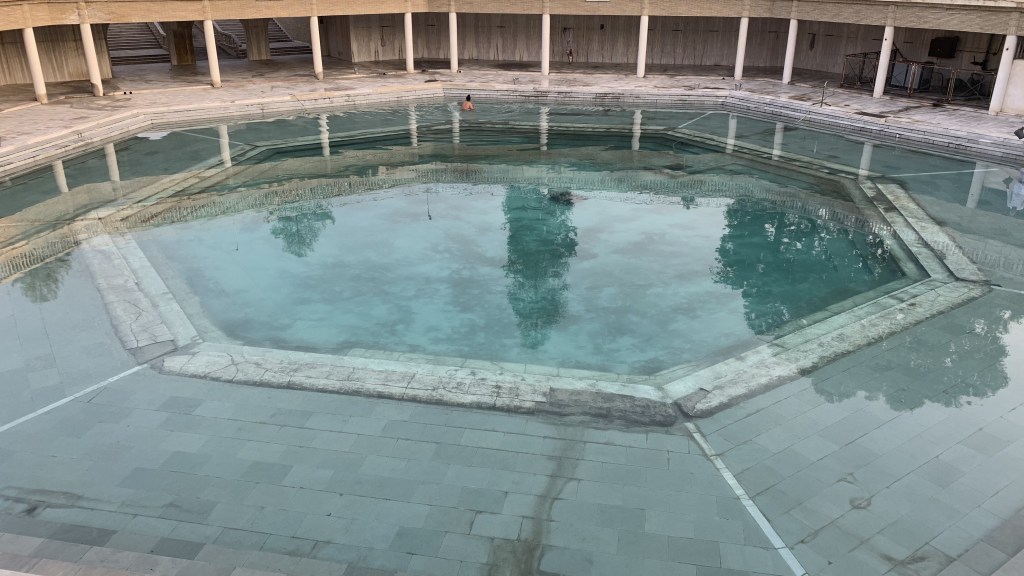
Above is the beautiful Ram Sarovar in Sri Bhaini Sahib, Punjab, in its pristine form, looking clean and filled with fresh water. It is a blissful and usual sight for those who are able to visit there once or twice a year, let’s say, for the annual Hola and Assu Mela. However, what often goes unnoticed is the effort that goes into maintaining and keeping the sarovar clean like this round the year, so that it remains usable by the sadh sangat.
In most Gurudwaras, like Sri Darbar Sahib in Amritsar or Gurudwara Sri Bangla Sahib in New Delhi, there are different kinds of fish in the sarovar, such as common carp, rohu, mrigal, and katla (2). These fish help to clean the algae as they eat it. For those who don’t know, algae is one of the slimiest objects and can feel unpleasant to even touch. However, in the Ram Sarovar at Bhaini Sahib, these is no fish, which means there is no natural way of cleaning the algae. As a result, manual cleaning and removal of the algae is what is needed.
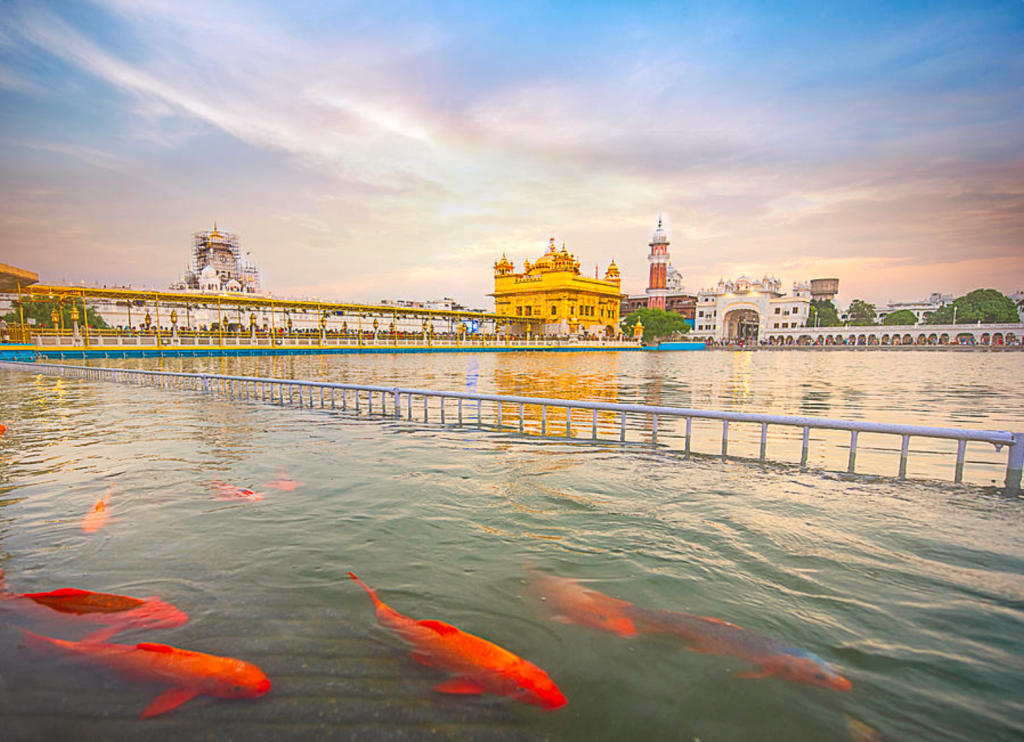
August 2018 // Photographer: Suraj Kalathil // https://fineartamerica.com
This article is not about big or small Sarovars or the process of maintaining them. It is about the role that faith plays in making sewadars feel protected by their Guru while in Guru Ghar. Specifically, about the undying and unconditional faith that all sewadar sikhs carry with them in their everyday lives.
During Delhi’s Jathedar Nishan Singh ji’s deewan a couple of years ago, he mentioned that taking a bath in Ram Sarovar is equivalent to visiting 68 pilgrimage sites according to Satguru ji’s Hukum. It is also suggested that when visiting Sri Bhaini Sahib, one should never skip taking a bath in the sarovar. However, I have observed that this practice is slowly diminishing amongst the sangat, although this is only my assumption based on individualistic experiences and observations.
During my visit to Bhaini Sahib last year, in June 2022, I was blessed with the opportunity to closely observe, learn, and participate in the “kaafi sakhat sewa” of removing algae from the floor of the Ram sarovar, as Sant Major Singh ji called it.
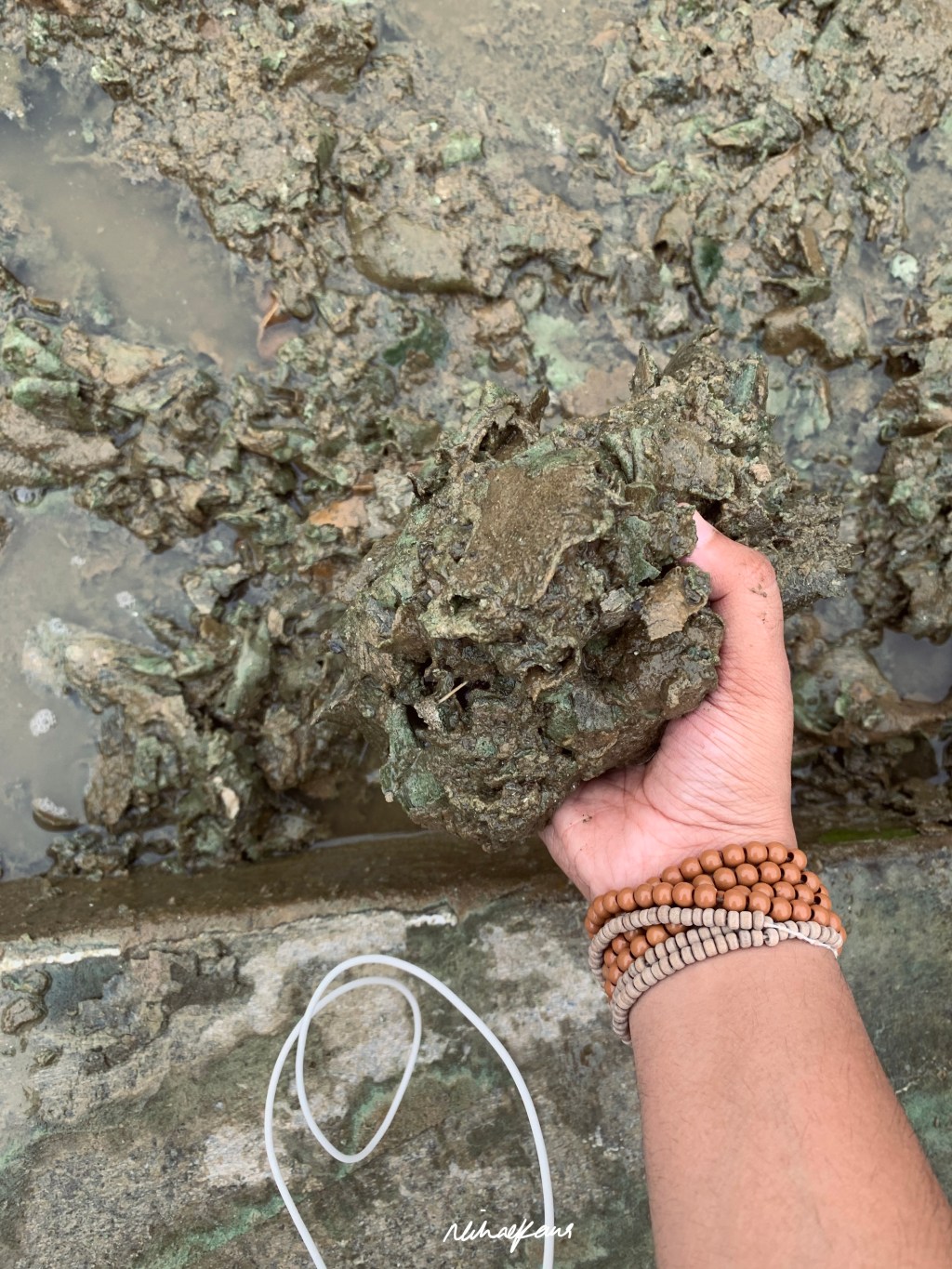
Major Singh ji, after many years of serving as a driver in Bhaini Sahib was transferred to the sewa of maintenance of Ram Sarovar some years ago. It generally includes removal of fallen objects such as leaves from the Sarovar area which he told me is called “dakke”. In addition, regular cleaning of Sarovar is required. This involves completely emptying it, scraping off any accumulated algae on the entire surface of the floor, wiping the entire Sarovar with clean water, and then refilling it with a motorised system. While this may sound like a fairly simple task with only a few steps, it can be very difficult for anyone, let alone someone of his age.
Below are the photos I took that day to help explain the process for you to see.
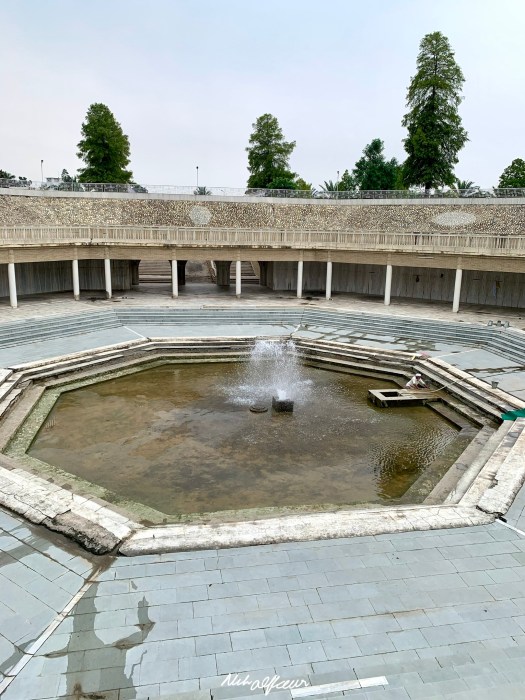
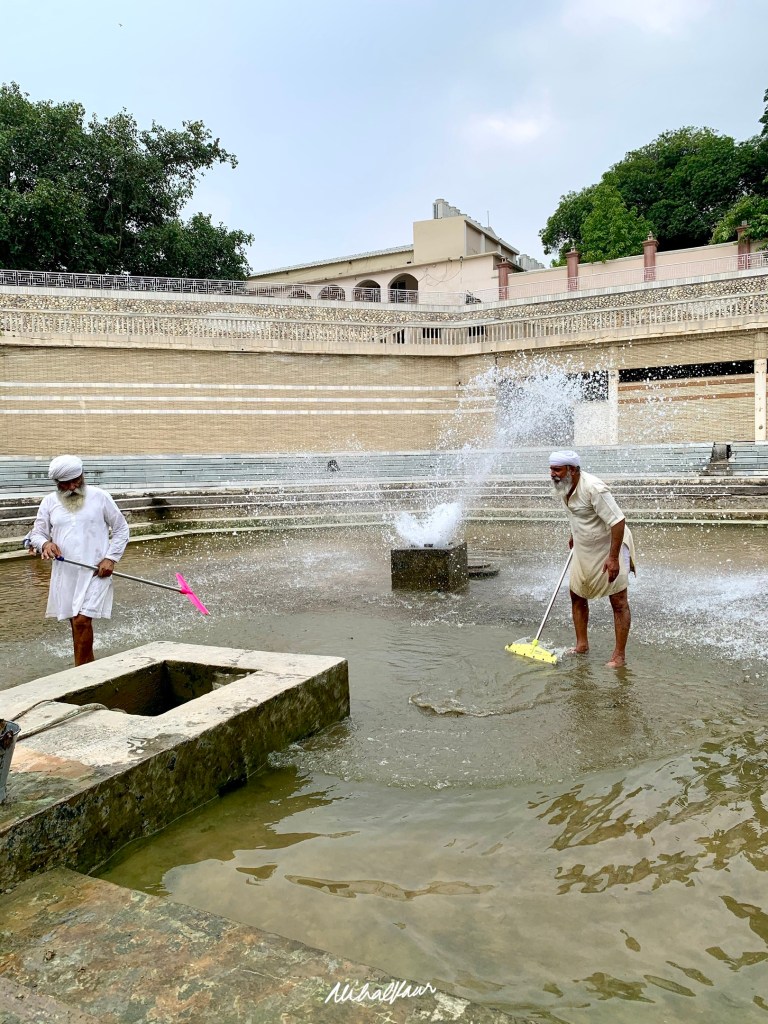
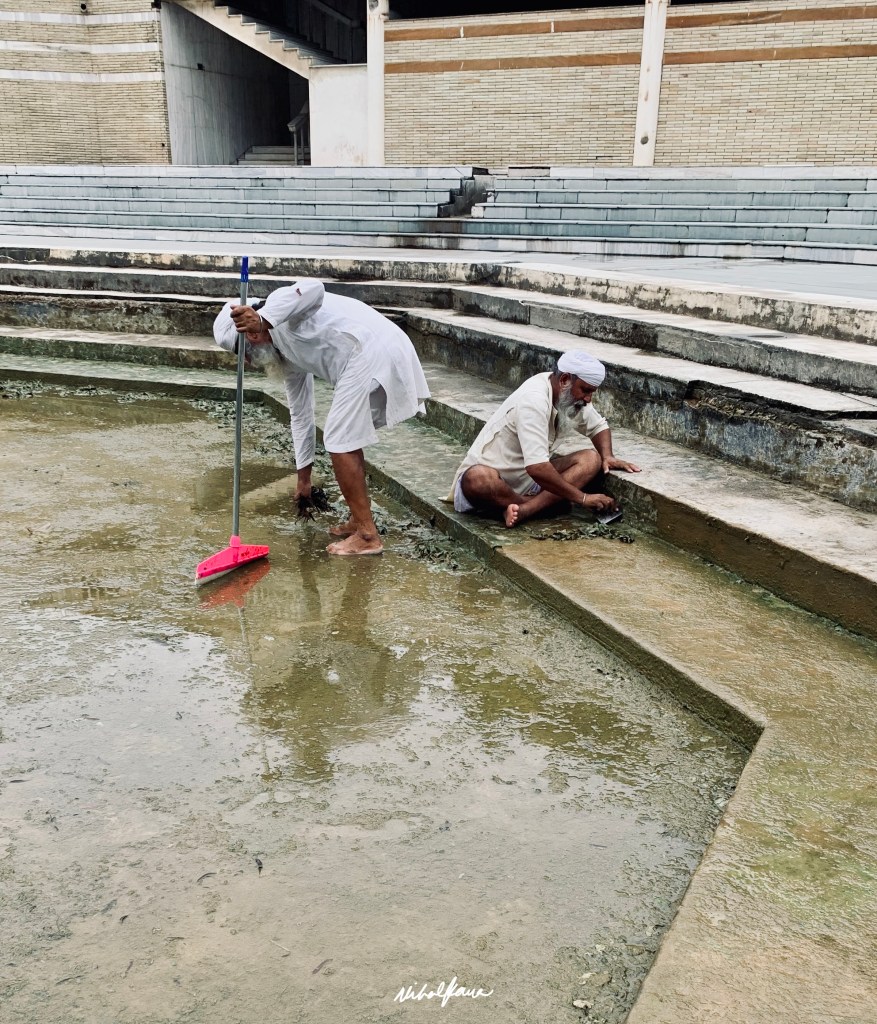
I was so surprised to see people come in and fill this clearly unclean water as seen above to bathe their children with. It broke my heart to see a young girl fall badly on the algae because she didn’t realise what she was stepping on. I felt bad for not suggesting her to be careful because it was only her scream that alerted me to her presence. Satguruji di kirpa hi hai, she stood back on her feet and was able to walk fine.
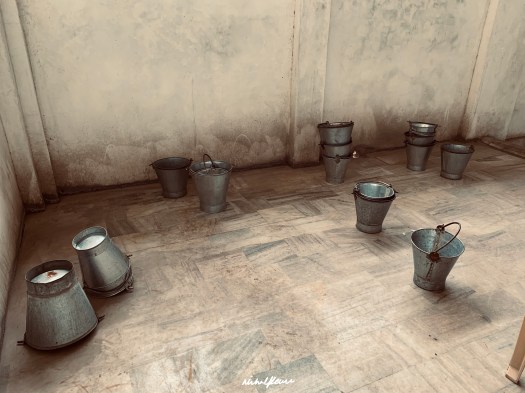
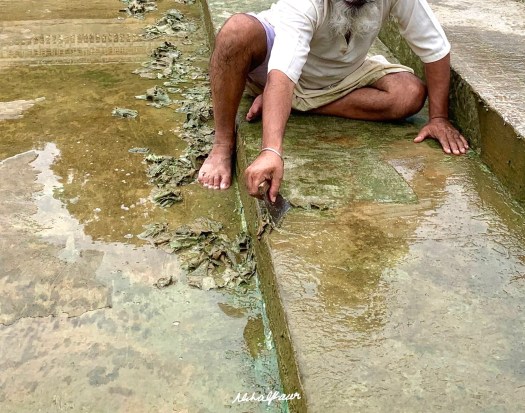
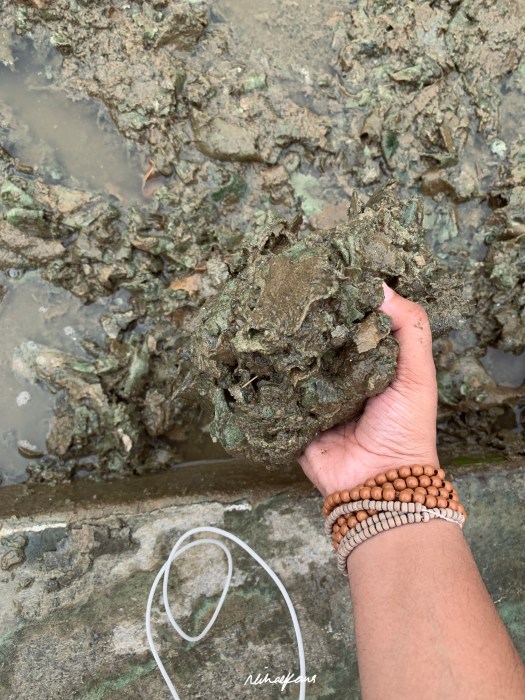
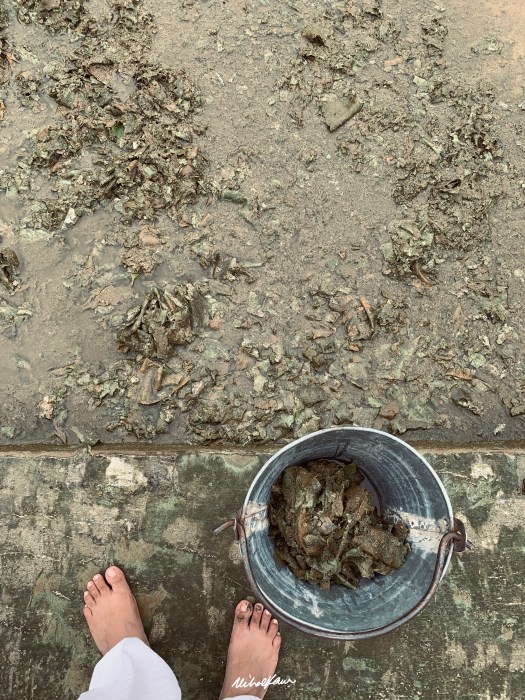
Walking on what you see in the photograph above is nothing less than an adventure sport. I remember avoiding stepping into the floor and only staying onto the steps, using the wiper’s stick as a support for my feet. I was astonished to see Major Singh ji walking in the middle of the sarovar, on the thickest layer of algae. Of course, there were times when he nearly slipped. I couldn’t help but keep repeating for my own sanity, “Santji, please dhyaan naal.” How naive of me.
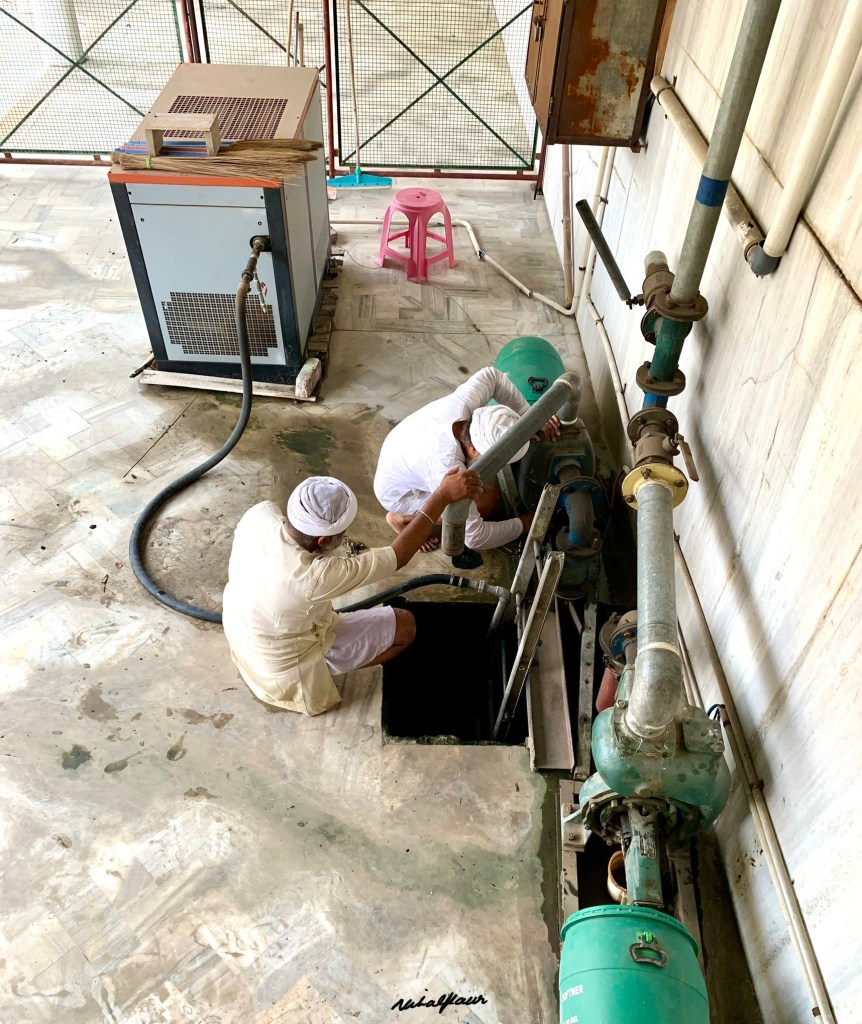
During my conversation with Santji during and after, I learned about the depths of his faith that he will be protected by Satguruji while performing his sewa, despite the associated risks. Which made me so emotional. He expressed that “Satguruji de Bhaini sahib vich kisi nu kuch nahin ho sakda. Maalik aap hi raksha karda ang sang sahaai hoke.” Additionally, he mentioned that hardly any young people show interest in this sewa due to safety concerns. Making him having to manage it all mostly singlehandedly.
During my personal observations, I noticed a lack of safety equipment, such as gloves, protective chains, and slip-resistant shoes (gumboots). He explained that wearing boots may not be allowed due to the Sarovar, where footwear is prohibited. However, I question the importance of this rule during cleaning when safety should be the top priority. After all, boots are just another tool to make the process slightly easier and less dangerous for an individual who is ensuring that a place as precious as 68 pilgrimages stays clean and usable.
If only somebody could arrange permission to send Sant ji a pair of gumboots and gloves, I would be grateful. Might as well pray that they are blessed with karma of visiting 136 pilgrimages instead.
Nihal Kaur
June 11th 2023
References:
(1) https://www.learnreligions.com/sarovar-sacred-pool-2993076
(2) https://www.sikhdharma.org/do-you-know-how-the-golden-temple-sarovar-is-kept-clean-and-clear/
 ਨਿਹਾਲ ਕੌਰ nihal kaur
6 responses to “ik sakhat seva di sakhi | manually cleaning a Sarovar ”
It’s beautifully written Nihal. Touches all the right chords
LikeLiked by 1 person
Thank you Abhijit!
LikeLike
We proud of uh 👏 💜
LikeLiked by 1 person
Thank you Harnam!
LikeLike
Waahhhhh! Bdi pyaari writing aa ji. Bahut changa lageya padhke.
LikeLiked by 1 person
Thank you Jaspreet Ji!
LikeLike